Should you consider investing in your digital frontend?
October 1, 2024
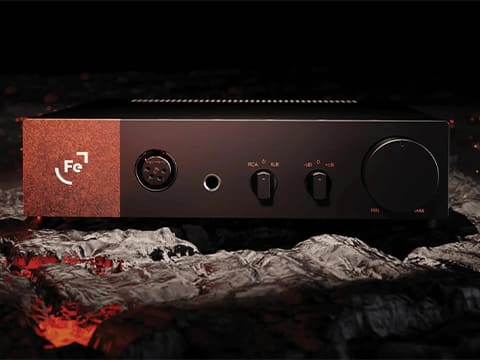
Investing in high-quality digital frontend components (streamers, DACs, servers), network switches, a quality router, and RFI (Radio Frequency Interference) filters can significantly improve audio performance in a high-fidelity system by reducing electrical noise and improving data timing accuracy (jitter), resulting in a cleaner, more detailed, and natural sound. These components are often overlooked because of the prevailing, technically sound belief that digital data transmission is inherently error-corrected and bit-perfect, making network components irrelevant to final sound quality.
Why You Should Invest in Audiophile Network Components
The primary rationale for these components revolves around mitigating subtle electrical and timing interferences that conventional IT equipment does not address.
- Reduced Electrical Noise (RFI/EMI): Standard network gear uses inexpensive, noisy switching power supplies and less shielding, which can inject high-frequency noise and electromagnetic interference (EMI) into the audio system through shared ground paths or radiation. Audiophile-grade components are designed with low-noise power supplies (often linear power supplies), superior grounding, and enhanced shielding to prevent this noise from reaching sensitive analog circuitry in the DAC or amplifier.
- Improved Timing Accuracy (Lower Jitter): Data timing (jitter) or noise can still subtly affect the clocking process within the DAC, impacting the analog conversion stage. Specialized network switches often incorporate high-precision, stable clocks to ensure more precise data transmission, aiming for a “blacker background, deeper soundstage, or more emotional impact” in the resulting sound.
- Signal Purity and Isolation: RFI filters are placed in the signal chain example between the switch/router and streamer to actively remove conducted interference from the digital signal before it reaches the audio equipment. This is intended to provide the streamer with the cleanest possible data stream, enhancing clarity and detail retrieval.
- System Synergy: High-quality digital frontend components ensure the entire audio chain works in harmony, removing potential bottlenecks that could limit the performance of high-end DACs, amplifiers, and speakers.
Why These Components Are Overlooked by Many
- Focus on Traditional Components: Most hi-fi buyers places much emphasis on their speakers, amplifiers, and the DAC as the most crucial components, following the general guidance to allocate budgets accordingly. The network infrastructure is often an afterthought. Which lead to them wondering that their sound system performance are not on par with hifi showrooms.
- High Cost vs. Perceived Value: Audiophile network equipment is substantially more expensive than consumer-grade alternatives. For many consumers and even some audio enthusiasts, the perceived benefit does not justify the significant financial investment, especially when the core function of data transfer is already reliably performed by much cheaper devices.
- Psychoacoustics and Subjectivity: Hearing is a complex, subjective experience influenced by many factors, including the listener’s expectations. Skeptics suggest that perceived improvements from network components may be due to psychoacoustic effects rather than actual electrical or timing differences in the audio signal itself.
Common Digital Bottlenecks
- Source Quality: Even the best amplifier can only work with the quality of the input it receives. Using low-bitrate MP3s or relying on basic streaming methods can limit the entire system’s potential. High-resolution and lossless files or dedicated high-quality streamers are recommended for discerning listeners.
- Network Infrastructure: Standard routers and switches are not designed with audio fidelity in mind. Upgrading to dedicated audiophile network switches or using fiber optic connections can isolate the audio system from network noise.
- Cabling and Power: Overlooking the quality of network and power cables can introduce unwanted noise and signal degradation. Proper shielding and using a dedicated power line or power conditioner can mitigate interference.
- Digital-to-Analog Conversion (DAC): While many modern devices have built-in DACs, an external, high-quality DAC can provide a cleaner, more detailed, and accurate conversion of the digital signal into an analog one.
The Power of Compounding
- Compounding Bottlenecks: From the source, reclocker, DAC, power supply, and digital cables, all of them adds its own small level of electrical noise and clock jitter. If one or two of these are subpar, they mask what the others can do. Replacing just one leaves several bottlenecks in place, so the system remains limited. But when you relieve several together, noise and timing errors drop far below the masking threshold, unlocking a much cleaner presentation.
- Chain Effect: Upgrading a single link may bring an improvement, but it leaves the core bottleneck untouched. Once several components are addressed, the improvement isn’t incremental anymore; it becomes exponential, delivering a clearly audible and dramatic leap in sound quality.
Synergistic improvement: A better streamer feeding a better DDC, into a low-jitter DAC with proper isolation, doesn’t just add up, it multiplies the effect. Each stage hands off a purer, more stable signal to the next, allowing the DAC’s analog section to work in optimal conditions. That’s why people describe the sonic improvement as “exponential”: imaging stabilizes, the soundstage expands, and microdynamics suddenly appear that weren’t audible before.
Threshold of audibility: Human hearing has limits, if the digital noise floor and timing errors are still high enough to mask subtle details, you won’t hear changes. Once total system noise falls below that threshold, every small refinement (power supply, clock, interface) becomes perceptible all at once. The perceived change feels huge, even though it’s the combined effect of multiple small corrections.
In essence, optimising the “digital frontend” ensures the most pristine, accurate signal possible is delivered to your DAC and subsequent analog components, allowing your entire system to perform at its full potential and deliver the engaging “musical” experience you seek.